
How to Choose Filter Bags: Media, Micron, Size & Ring Guide
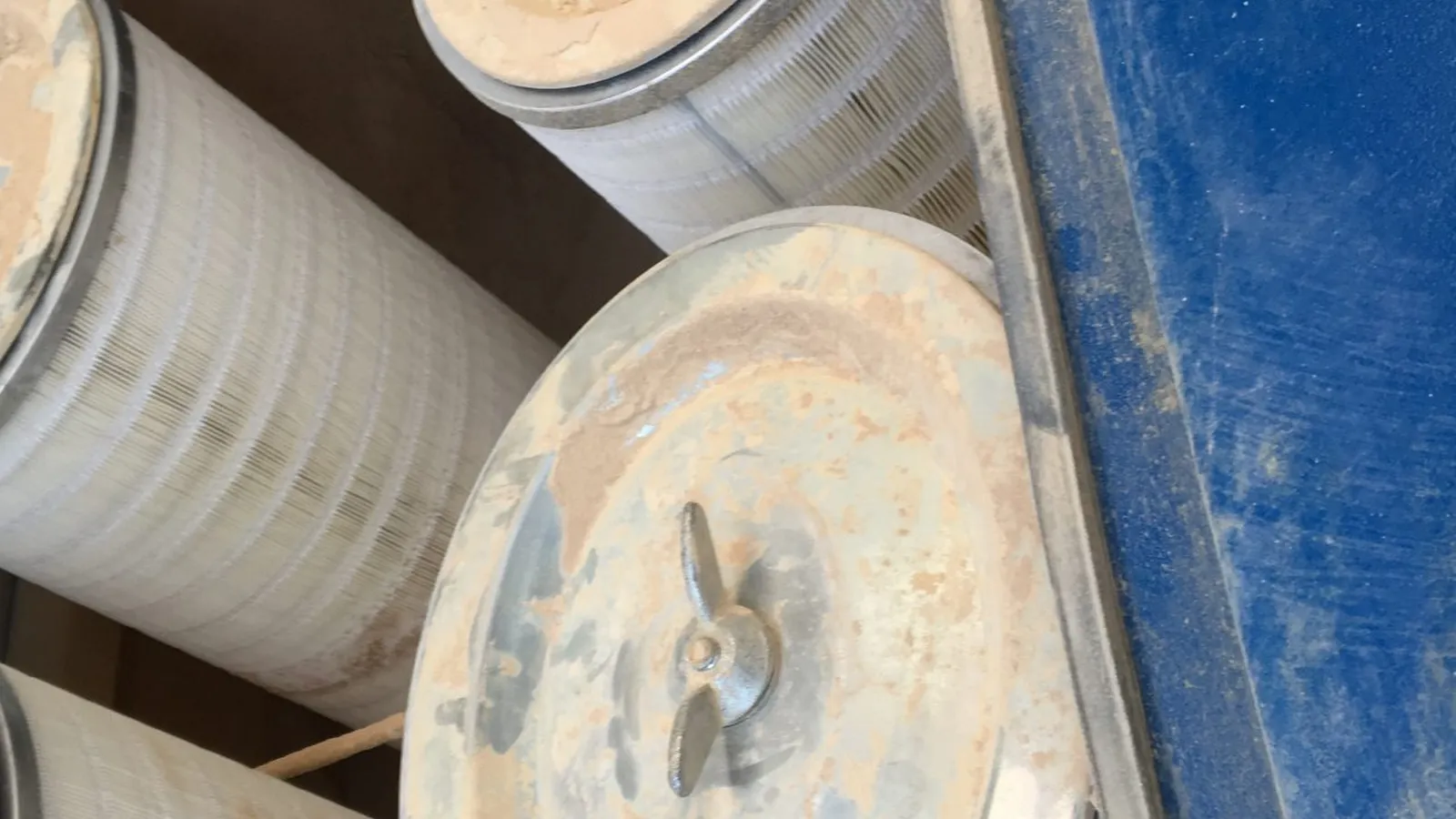
Table of Contents
A Midwest paint line stopped for six hours last month. The cause was one plugged filter bag in the pre-coat loop. The week before, the plant swapped in a finer bag to "improve" clarity. That bag starved the pump, the pump cavitated, and the repair bill landed at $8,700. The bag that caused it cost $9.
Filter bags look like the simplest part in any plant, and that is exactly why they get chosen wrong. A bag is a porous pouch that drops into a housing and catches particles above a set size. The media, the micron rating, the size and the ring decide whether it works or ruins your shift. Buyers searching for industrial filter bags, pleated filter bags, or liquid filter bags usually compare prices before they compare specs. That order costs money. This guide shows how to choose filter bags by media, micron, size, ring and flow, with numbers you can verify. Keep reading for more!
Key Facts at a Glance
- Definition — A filter bag is a disposable or cleanable filtration pouch that fits inside a bag filter housing.
- Media — PP, PE, PTFE and nylon cover nearly every duty; each has a temperature limit and a chemical limit.
- Micron — Felt bags run 1 to 200 micron (typical); mesh bags run 25 to 800 micron (typical).
- Sizes — Bag sizes #1 to #4 are set by diameter and length; size 1 and size 2 cover most liquid duty.
- Flow — One size-2 felt bag carries roughly 40 to 80 GPM at 10 to 25 micron (typical).
- Seals — The bag ring and the seam type must match the housing basket, or dirty fluid bypasses the bag.
Media Selection: PP, PE, PTFE & Nylon
The media does the filtering. Everything else is packaging. Four media families cover nearly every filter bag application: polypropylene (PP), polyester (PE), PTFE and nylon. Each one has a temperature limit, a chemical limit and a price point. Media is the first decision, because nothing downstream can fix a chemistry mistake.
| Media | Micron range (typical) | Max temp (typical) | Chemical resistance | Cost, size 1 (typical) | Best for |
|---|---|---|---|---|---|
| PP felt | 1 – 200 µm | 90 °C | Acids, alkalis, water | $2 – $6 | Water, coolant, general liquid |
| PE (polyester) felt | 1 – 200 µm | 150 °C | Oils, fuels, solvents | $3 – $8 | Paint, oil, food, dry dust |
| PTFE membrane | 0.3 – 5 µm | 260 °C | Nearly all chemicals | $15 – $40 | Hot gas, fine dust, aggressive fluid |
| Nylon mesh | 25 – 800 µm | 150 °C | Good strength, abrasion | $4 – $10 | Coarse solids, high flow, reuse |
1. Polypropylene felt
PP felt is the default bag media for water, coolant and general liquid duty. It resists acids and alkalis, it does not hydrolyze in water, and it is the cheapest option on the list. The limit is temperature: PP softens around 90 °C (typical). A PP bag in a 110 °C stream fails within days. Check the process temperature before you order polypropylene.
2. Polyester (PE) felt
PE felt handles about 150 °C (typical) and resists oils, fuels and most solvents. That makes polyester filter bags the standard for paint, oil and food duty. The catch is hydrolysis: hot water above roughly 70 °C attacks the ester bonds, and the felt falls apart. Use PE for oil and dry heat. Use PP where water is involved.
3. PTFE membrane
PTFE membrane bags put a microporous film on a felt carrier. The membrane stops fine dust at the surface, so it releases during pulse cleaning. PTFE shrugs off nearly every chemical and runs to 260 °C (typical). The price is three to five times a standard felt bag. Buy PTFE for hot, corrosive or ultra-fine duty only.
4. Nylon mesh
Nylon mesh bags are woven monofilament, not felt. The pores are uniform, so the rating is predictable, and the bag survives washing. Mesh filter bags pass high flow at low pressure drop and can be reused 20 to 50 times (typical). They only go down to about 25 micron, so they are a coarse-stage tool, not a fine filter.
If the fluid attacks the bag, the micron rating does not matter. Match chemistry and temperature first, then price. Every media row above is available in the full range of bag sizes. Our filter bags page lists the PP, PE, PTFE and nylon options side by side with dimensions and ratings.
Micron Rating Selection
A micron is one-thousandth of a millimeter. A human hair is about 70 micron thick. Fine silt in river water runs 5 to 50 micron. The micron rating of a bag is the particle size it is designed to stop.
Felt bags are rated nominal, which means most particles above the rating are removed. There is no absolute guarantee, and the number comes from the manufacturer's test. Mesh bags give a sharper cutoff because the weave is uniform. When a spec sheet does not say nominal or absolute, ask.
The micron number should come from the downstream requirement, not from habit. A reverse osmosis pre-filter needs 1 to 5 micron. Coolant loops run 25 to 50 micron. Paint lines filter 25 to 100 micron. Dust collectors use 1 to 10 micron for fine powder.
Finer is not better. Cut the rating in half and pressure drop roughly doubles at the same flow. A 1 micron water filter bag in dirty water plugs in hours. The cheap fix is staged filtration: a 50 micron bag first, then a 10 micron bag, then a 1 micron polish only if needed.
Pressure drop is the operating signal. A clean bag typically reads 1 to 2 psi across the housing. Change the bag when differential pressure hits 10 to 15 psi (typical) or when flow drops below spec. Running past that point collapses the bag and dumps the collected dirt downstream.
Bag Sizes #1 to #4 & Flow Capacity
Bag size is set by the housing basket, not by flow. The industry uses numbered sizes, and the numbers are the same worldwide. Measure the basket inner diameter and depth before you order anything.
| Size | Diameter × length | Media area (typical) | Flow at 10 – 25 µm (typical) | Typical use |
|---|---|---|---|---|
| #1 | 178 mm × 420 mm (7" × 16.5") | 0.25 m² | 20 – 40 GPM | Standard liquid duty |
| #2 | 178 mm × 810 mm (7" × 32") | 0.50 m² | 40 – 80 GPM | High-flow liquid duty |
| #3 | 102 mm × 230 mm (4" × 9") | 0.08 m² | 5 – 15 GPM | Compact housings |
| #4 | 102 mm × 356 mm (4" × 14") | 0.16 m² | 10 – 25 GPM | Medium-duty loops |
Size 1 and size 2 cover most liquid duty. Size 3 and size 4 fit compact housings and low-flow loops. A line such as "filter bag felt poly 160 gpm 1m pk10" reads: polypropylene felt, 160 GPM, one meter length, pack of ten. The fields vary by supplier, but the format is the same.
Flow capacity scales with media area. A size-1 bag carries roughly 20 to 40 GPM at 10 to 25 micron (typical). A size-2 bag doubles the area and carries 40 to 80 GPM. A housing that takes 2 filter bags carries roughly twice the flow of a single-bag unit at the same rating.
Keep the flow per bag inside the rated window. Push 150 GPM through a size-1 bag and the pressure drop spikes, the bag blinds, and the housing sees stress it was never designed for. When flow is high, go up a size or add a bag. Do not go finer.
Bag Ring & Seal Types
The ring holds the bag in the basket. It is also a seal, so its material and fit matter as much as the media.
Ring materials: galvanized steel, stainless steel 304 or 316, and polypropylene. Galvanized rings are cheapest but rust in water and salt service. Stainless suits food, chemical and washdown duty. Plastic rings never rust and cost little, but check the temperature limit before use in hot liquid.
Seam type matters at fine ratings. A sewn bag has needle holes that let a little fluid bypass the media. A welded seam fuses the felt and stops that path. For 1 to 10 micron duty, specify a welded seam. For coarse 50 micron-plus work, sewn is fine and cheaper.
Closure style must match the housing. Snap-ring bags capture in the basket lip. Drawstring bags tie over the basket flange. Some dust bags use a sewn top with no ring at all. Order the closure your housing was built for, or the bag will not seat.
The ring is a seal, not a handle. A loose ring lets unfiltered fluid slide past the bag. A ring that is too large jams the basket and tears the bag during change-out. Measure the ring outer diameter against the basket seat before you commit to volume.
Dust Collector Filter Bags
Dust collector filter bags clean air, not liquid, and the selection logic changes. The bag hangs in a baghouse, dust cake builds on the outside, and a pulse jet blows it off at intervals. The bag must release the cake, or it blinds.
Media choice for air duty follows temperature. PP felt handles up to 90 °C (typical), PE felt up to 150 °C (typical), and PTFE membrane up to 260 °C (typical). Hot exhaust from a kiln or dryer usually forces PTFE or a high-temperature fiber. Cold dust collection, such as wood or grain, runs happily on PP or PE.
The design number to know is the air-to-cloth ratio: air volume divided by bag surface area. Pulse-jet baghouses typically run 3:1 to 8:1 (typical). A ratio too high for the dust load raises pressure drop and shortens bag life. Ask the supplier for a recommendation at your dust load, which typically runs 5 to 50 grams per cubic meter.
The labels overlap: dust collector filter bags, industrial dust collector filter bags, dust collection filter bags and dust filter bags are the same part. When you search filter bags for dust collector or filter bag for dust collector, the spec sheet is what matters, not the label. The label filter bag dust collector usually describes a baghouse, not a liquid vessel. When you buy filter bags for dust collectors, confirm the tube sheet hole spacing and the bag length before ordering.
Baghouse economics: a typical 150 mm by 3 m felt bag costs $8 to $20 (typical). A 200-bag baghouse spends $1,600 to $4,000 per change-out. Bag life decides yearly cost more than unit price. A bag filter dust collector with PTFE membrane bags costs more upfront and less per year in many dusts.
Air filter bags also appear in intake and ventilation duty, where coarse dust loads and low pressure drop matter more than fine efficiency. Pleated filter bags and pleated bag filters add pleats to the bag format. They are a common retrofit when a baghouse needs more area in the same tube sheet.
Liquid Filter Bags
Liquid filter bags handle paint, coolant, wastewater, food and pharma duty. The choice mirrors media selection, with two extra rules: viscosity and food contact.
Viscosity is the hidden killer. Felt bags flow well below about 500 cP (typical). Above that, flow through the bag drops sharply and pressure drop climbs. For viscous liquids, drop to a coarser micron, increase bag area, or switch to a mesh bag with larger pores.
Food and pharma contact requires food-grade media. FDA-compliant PE felt is the usual choice, with welded seams and no metal parts that can shed. Confirm the compliance certificate before you buy, not after.
Mesh bags shine in liquid duty where solids are coarse and change-outs are frequent. A mesh liquid filter bag washes clean in minutes and runs 20 to 50 cycles (typical). Felt bags are single-use and go to disposal. Over a year, a mesh bag often beats felt on cost per filtered liter.
Change liquid bags on differential pressure, not on a calendar. A typical felt bag starts at 1 to 2 psi and changes at 10 to 15 psi (typical). Paint and coolant loops are the classic bag filter for liquid filtration application: high solids, frequent changes and simple change-out with no tools.
For any filter bag for liquid filtration application, start with the chemistry table and finish with the viscosity check. A liquid filter bag in a food plant also sees CIP chemicals, so confirm media compatibility with the cleaning cycle too.
Filter Bag Housings & Vessels
The housing is half the system. A bag is only as good as the vessel that holds it, seals it and carries the flow.
Housing types: single-bag and multi-bag. A single-bag housing typically flows 20 to 100 GPM (typical) and suits one process line. A multi bag filter housing takes 2, 4, 6, 8 or 12 bags and scales flow to hundreds of GPM. A 12-bag unit at 50 GPM per bag moves 600 GPM.
Materials follow the fluid. Carbon steel is cheapest and fine for oils. Stainless 304 or 316 suits water, food and chemicals. A bag filter housing plastic body handles water duty under about 100 psi and 65 °C (typical). Plastic never rusts and costs the least, but the pressure and temperature limits are hard.
Pressure code is the safety number. Standard housings are rated 150 psi (typical) and are fine for most duty. High-pressure service needs bag filter vessels built and stamped to ASME VIII or PED. When you pick a bag filter housing manufacturer, ask for the pressure rating and the code stamp in writing.
The terms point to one equipment family: filter bag housing, bag filter housing, industrial bag filter housing and liquid bag filter housing. They are variants of one product line. The differences are size, material and code rating. Match the vessel to the flow, the fluid and the pressure, and the bags inside do the rest.
Bag Filter vs Cartridge Filter
The oldest debate in liquid filtration is bag filter vs cartridge filter. Both remove particles. The economics differ.
Bags win on price per change and dirt holding. A felt bag costs $3 to $15 (typical) and holds a lot of solids. Change-out takes five minutes with no tools. Cartridges cost $15 to $60 each (typical) and filter more precisely, but they generate more parts and slower changes.
Precision is where cartridges win. Below 10 micron absolute, cartridges hold a rating that bags cannot match. Above 10 micron with heavy solids, bags are cheaper per year even with more frequent changes.
Disposal volume favors cartridges. A spent bag is mostly fabric; a spent cartridge is denser. Plants that pay by the drum for waste often prefer cartridges for that reason alone.
The cartridge filter vs bag filter comparison lands on one rule. High solids and coarse ratings mean bags; fine ratings mean cartridges. Many plants run both in series, a bag stage for bulk removal and a cartridge stage for final polish.
5-Step Selection Process
Here is the whole selection routine in five steps. Run it in order, and you will not skip a variable.
- Define the fluid. Write down the liquid or gas, the operating temperature, the chemical composition and the contaminant. A 60 °C water line and a 120 °C oil line need different bags.
- Pick the media. Use the chemistry table: PP for water, PE for oils, PTFE for hot duty, nylon mesh for coarse reuse.
- Set the micron. Take the number from the downstream requirement. Start coarse, and stage finer if the dirt load is high.
- Match size and ring. Measure the basket inner diameter and depth, count the bags the housing takes, and match the ring material to the fluid.
- Verify flow and order a sample. Check the rated GPM at your micron, confirm the pressure drop, and run one bag for a week before you order volume.
The whole routine takes an hour with a ruler and a spec sheet. It prevents the classic failure: a bag that fits the price list and not the process.
Common Mistakes Buyers Make
- Buying on price per bag. Cost per filtered gallon is the real number. A $5 bag that lasts a day costs more than a $12 bag that lasts a week.
- Going finer for safety. Finer media plugs faster and raises pressure drop. Match the micron to the process, not to fear.
- Ignoring temperature. A PP bag at 110 °C fails in days. Check the media limit before you order.
- Wrong ring material. Galvanized rings rust in water service and contaminate the fluid.
- Guessing the size. One inch of basket depth is enough to order the wrong bag. Measure twice.
- Skipping the sample. A sample order costs a few dollars and one hour. A full container of the wrong bag costs a shutdown.
Each mistake shows up the same way in the field: plugged bags, bypassing seals and angry operators. All of them are avoidable with the five-step routine above.
Choosing a Manufacturer & Supplier
The supplier matters as much as the bag. A filter bag manufacturer that cannot quote media, micron and seam type is selling price, not filtration.
Ask five questions. What is the media, with the basis weight? Is the micron rating nominal or absolute, and how was it tested? Are the seams sewn or welded? What is the MOQ and lead time? Do you offer samples before volume?
Cross-reference is common in this market. Buyers often cross-reference FSI bag filters because the FSI sizing and numbering became the industry default. A supplier who can map your old part number to a standard size and media saves you a trial-and-error cycle.
Certificates matter for regulated duty. Food contact needs FDA-compliant media. Chemical export needs REACH compliance. Ask for the paperwork with the quotation, not after the container lands.
A good filter bag supplier sends a sample, quotes typical values honestly, and tells you when a cartridge would be cheaper. That last answer is the sign of a partner, not a vendor. A bag filter supplier with a test lab can verify micron cut and pressure drop before you commit.
The Bottom Line
Choosing a filter bag is a four-variable problem: media, micron, size and ring. Solve chemistry and temperature first, then the micron, then the size, then the seal. Flow and pressure drop tell you when the answer is wrong.
PLEATPURE makes PP, PE, PTFE and nylon filter bags in sizes #1 to #4. Seams are sewn or welded; rings are galvanized, stainless or plastic. Every bag is checked for dimension, seam integrity and ring fit before it ships. Browse the filter bags range or send us your old bag and we will match it. For the housing side, see our filter housings.
NEXT STEP
Ready to Switch to Replacement Filter Cartridges?
Send us your element dimensions or part numbers — our team responds within 24 hours with pricing and lead time.
Written by
Ray ChanFiltration Buyer's Guide Author · Industrial Filter Cartridge Specialist. Ray helps global importers, distributors and maintenance teams source factory-direct replacement filter cartridges.