
Filter Housing Selection Guide 2026: Sizing, Materials and 5-Step Choice
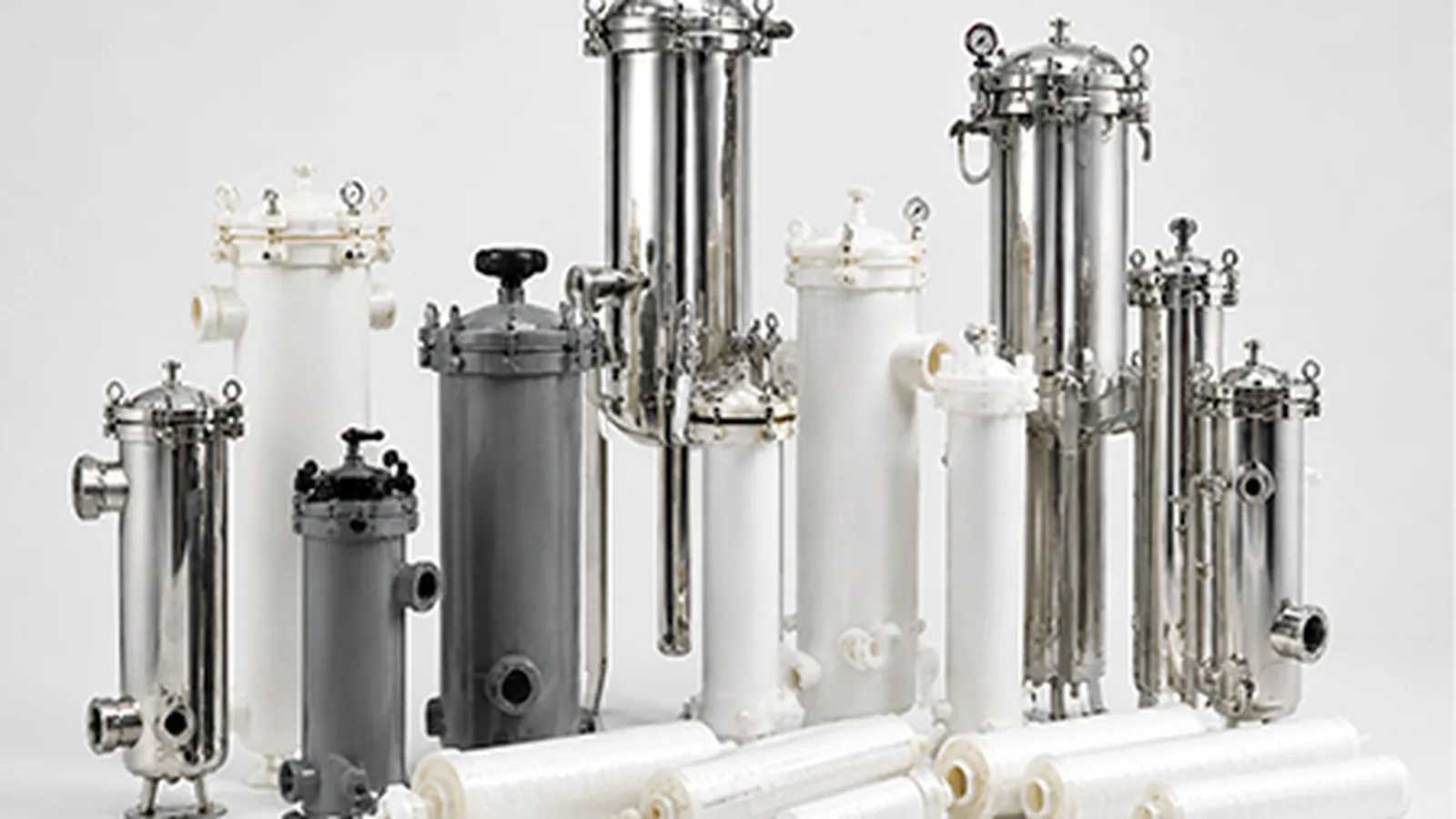
Table of Contents
A beverage plant ordered twelve stainless housings last spring and paid $38,000 for the batch. Nine of them were pitting within six months. The chloride content of the process water had never been checked, and the 304 grade was never meant for that duty. The replacement vessels, in 316L, cost another $9,500. The failure was a spec sheet decision, not a machinery failure.
Choosing the right filter housing comes down to four numbers: flow, pressure, temperature and the element format you standardize on. The logic is the same whether you need a cartridge filter housing, a bag filter housing or a high-flow vessel. Buyers searching for a water filter housing replacement are usually replacing a vessel that failed early, leaked or starved the process. A replacement water filter housing, or a plain filter housing replacement, follows the same selection logic. This guide covers housing types, materials, sizing math, seals, connections and pressure classes, then walks through a five-step selection process. Keep reading for more!
Key Facts at a Glance
- Definition — A filter housing is a pressure vessel that holds one or more cartridges or bags and routes fluid through them.
- Types — Single cartridge, multi cartridge, bag and duplex housings cover most industrial duty.
- Materials — 304 stainless, 316L stainless, carbon steel, aluminum and plastic each suit a different fluid and budget.
- Sizing — Divide your flow in GPM by the per-element rating, then add 25 to 50 percent reserve.
- Connections — Thread, flange and tri-clamp joints each carry a pressure and hygiene class.
- Selection — Five steps: flow, format, material, pressure class, then a sample order.
What Is a Filter Housing
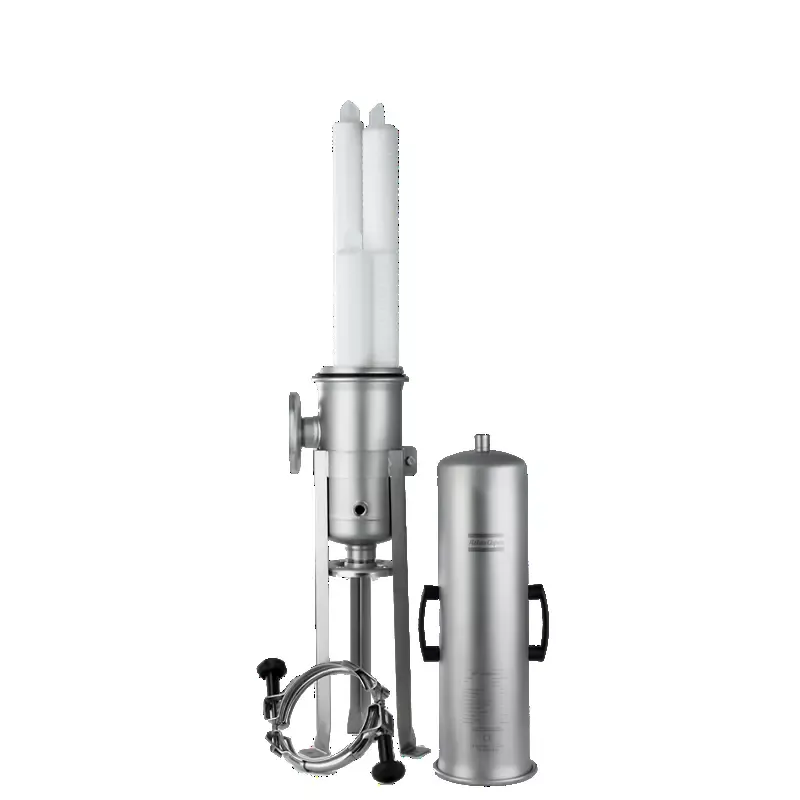
A filter housing is the pressure vessel that contains the filtration media. Fluid enters through the inlet, passes through the cartridge or bag, and leaves through the outlet. The housing holds system pressure, protects the media, and directs flow so every drop passes through the filter. Most housings share the same anatomy: a head or cover, a bowl or vessel body, a sump, and a vent or drain valve.
Filter housings appear in water treatment, chemical processing, food and beverage, paint, oil and coolant lines. A liquid filter housing handles water, solvents and oils at low to moderate pressure. A filter housing liquids duty usually means higher flow and larger vessel volume than a compressed air housing of the same pipe size. Liquid filter housings dominate process plants because liquids carry the most dirt. Match the vessel to the liquid filter cartridge range you plan to run in it.
The housing matters as much as the element. A premium cartridge inside a corroded housing still delivers contaminated fluid, because the vessel wall sheds its own particles. Treat the housing as a long-life asset, typically 10 to 20 years, and the cartridge as a consumable. The filter housing cartridge seat, the machined face where the element seals, must stay clean and undamaged. A scratched seat lets unfiltered fluid bypass the element entirely.
Filter Housing Types Compared
Four housing families cover the vast majority of industrial applications.
| Type | Elements | Typical flow | Best for |
|---|---|---|---|
| Single cartridge filter housing | 1 cartridge | 1 to 10 GPM | Point-of-use, sampling, small lines |
| Multi cartridge filter housing | 2 to 72 cartridges | 10 to 500 GPM | Process water, chemical, final filtration |
| Bag filter housing | 1 to 24 bags | 5 to 500 GPM | High-sediment liquids, pre-filtration |
| Duplex twin housing | 2 chambers | Continuous | No-shutdown change-over |
1. Single cartridge housings
A single cartridge filter housing is the simplest and cheapest vessel. One cartridge, one seal set, one flow path. It suits point-of-use water, sampling lines and low-flow process duty. A typical 10-inch single cartridge filter housing handles 5 to 10 GPM at 20 micron; a 20-inch version roughly doubles that.
2. Multi cartridge housings
When flow rises, move to a multi cartridge filter housing. Standard vessels hold 2, 4, 6, 8, 12 or 24 cartridges of 10, 20 or 40 inch length. Six 20-inch cartridges deliver roughly 60 GPM at 20 micron with low pressure drop. An industrial cartridge filter housing adds a gauge port and a vent, which light-duty vessels skip. Multi cartridge filter housings dominate process water and chemical plants.
3. Bag housings
A bag filter housing drops in a filter bag instead of a cartridge. Bags hold more dirt, change faster and cost less per unit, which is why high-sediment lines favor them. A multi bag filter housing with four size-2 bags handles the same flow as six 20-inch cartridges at a lower change-out price. An industrial bag filter housing is built for continuous duty with thicker walls and a full drain. A liquid bag filter housing suits water, coolant and paint at low to moderate pressure. Choose a bag filter housing manufacturer that stocks both vessels and bags, so the consumable chain stays simple. Compare sizes and ratings in our filter bag range.
4. Duplex housings
A duplex or twin filter housing puts two chambers on one skid with a diverting valve. You switch flow from one chamber to the other without stopping the process, then change the off-line side. Food, pharmaceutical and continuous chemical lines use duplex units to avoid shutdowns. Duplex costs more per chamber but pays for itself in uptime on a 24-hour line.
Which family fits your line? Count the dirt first. High sediment and frequent change-outs favor bags; precision and low disposal volume favor cartridges; a 24-hour process with no shutdown window favors duplex. Flow then fixes the size. Under 10 GPM, a single cartridge housing. Under 100 GPM, a small multi cartridge or bag vessel. Above that, a larger multi cartridge or multi bag housing (typical ranges).
Housing Material Selection
Material choice decides how long the vessel survives in your fluid.
| Material | Typical pressure | Best for | Cost factor |
|---|---|---|---|
| 304 stainless steel | 150 to 600 psi | Water, mild chemicals | Baseline |
| 316L stainless steel | 150 to 600 psi | Chlorides, food, seawater | 1.2 to 1.3x |
| Carbon steel | 300 to 1,000 psi | Oil, coolant, high pressure | 0.6x |
| Aluminum | up to 150 psi | Oil, paint, light duty | 0.4x |
| Plastic (PP, PVC) | up to 150 psi | Aggressive chemicals | 0.3x |
1. 304 and 316L stainless steel
Stainless steel filter housings in 304 cover the majority of water and process duty. The grade resists general corrosion well and costs less than 316L. 316L adds molybdenum, which resists chlorides and pitting. Seawater, brine, food-contact and pharmaceutical lines should specify 316L. The premium over 304 is roughly 20 to 30 percent (typical), which is cheap next to a corroded 304 vessel.
2. Carbon steel
Carbon steel housings are the workhorse of oil, coolant and high-pressure lines. They cost less than stainless, weld easily and take high pressure, but they rust. Internal epoxy or paint coating is standard. The fluid must stay compatible with that coating. Carbon steel is rare in water service because the coating fails and the wall corrodes.
3. Plastic and aluminum
Plastic housings, usually polypropylene or PVC, resist aggressive chemicals at low pressure. A bag filter housing plastic version suits acid and caustic lines at up to 150 psi (typical). A pvc bag filter housing or a polypropylene bag filter housing costs a fraction of stainless and mounts on a wall. An aluminum bag filter housing is light and cheap for oil and paint duty. Aluminum handles water poorly and tops out near 150 psi (typical). Use aluminum indoors and never on hot caustic.
Flow Rate and Housing Sizing
Sizing starts with flow. Every cartridge carries a rated flow per element at a target micron rating, usually stated in GPM. Divide your system flow by that number to get the minimum element count. Then add reserve, typically 25 to 50 percent, so the housing never runs at its limit.
Rules of thumb: a 10-inch pleated cartridge handles 5 to 10 GPM at 20 micron. A 20-inch cartridge handles 10 to 20 GPM, and a 40-inch cartridge 20 to 40 GPM (typical). Bag housings rate by bag size: a size-2 bag handles 20 to 40 GPM and a size-1 bag 10 to 20 GPM (typical). These numbers fall as micron rating gets finer.
Worked example: your line delivers 80 GPM of process water and you want 20 micron filtration. The cartridge route: 80 divided by 10 GPM per 20-inch cartridge equals 8 cartridges. A multi cartridge filter housing with 8 x 20-inch cartridges carries about 44 square feet of media. Clean pressure drop runs near 0.8 psi (typical). The bag route: a 4-bag housing with size-2 bags rates at 80 GPM and runs near 1.2 psi clean (typical). Change-out cost: 8 cartridges at $22 each equals $176, versus 4 bags at $8 each equals $32 (typical). Cartridges last two to three times longer at 20 micron, so the cheapest media is not always the cheapest year.
Vessel volume follows element length. A 10-inch element needs roughly 14 inches of internal height. A 20-inch element needs 24 to 26 inches, and a 40-inch element 46 to 50 inches (typical). Allow 4 to 6 inches below the elements for the sump and drain. Diameter depends on element count and the manifold layout.
Finish with a pressure drop check. A clean housing with new elements should sit well under 2 psi for water duty. As the media loads, differential pressure climbs. The housing must still pass rated flow at the change-out delta P, typically 15 to 25 psi for liquid service.
The pressure drop number becomes money at the pump. Every extra psi of resistance adds motor load on a running line. A housing that adds 5 psi on a 100 GPM pump costs roughly $200 to $400 per year in extra electricity at typical industrial rates. Oversizing the housing by one element class usually pays for itself inside the first year.
Seals, Connections and Fittings
Seals keep fluid inside the housing and stop bypass around the elements. The O-ring material must match the fluid: NBR for oils, EPDM for water, Viton for heat and aggressive chemistry (typical choices). A worn or wrong O-ring is the number one cause of leaks.
Threaded connections, NPT or BSPP, suit small housings up to 2 inches. NPT seals on the threads; BSPP seals on a bonded washer or O-ring. Screwing a BSPP fitting into an NPT port with tape is a classic leak setup. Match the thread standard, not just the diameter.
Flanged connections, ANSI 150, 300 or 600, suit large housings and high pressure. Flanges cost more but make the vessel easy to service and easy to match to pumps and piping. Vessels over 4 inches almost always use flanges.
Tri-clamp connections suit food, beverage and pharmaceutical lines. The clamp compresses a gasket between two ferrules for a smooth, cleanable joint. Tri-clamp housings are polished internally and drain fully, which matters for CIP and SIP cycles. Ask for tri-clamp when the line will be cleaned in place.
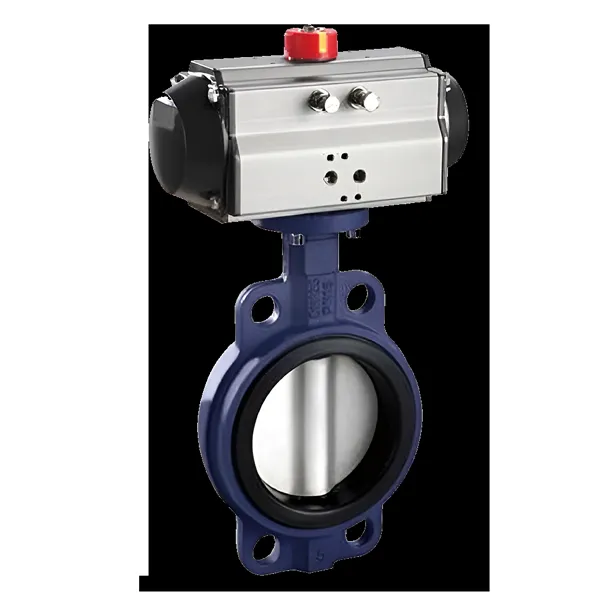
Budget for the small hardware that makes a housing safe to operate. A vent valve releases trapped air during fill. A drain valve empties the bowl at change-out. A pressure gauge or differential indicator shows when the media is loaded. High-pressure vessels often add a burst disc so overpressure vents before the shell fails (typical fitments).
Pressure Ratings Explained
Housing pressure ratings follow design codes. Common working classes are 150, 300, 600 and 1,000 psi. Plastic housings top out near 150 psi. Stainless housings commonly carry 150 to 600 psi, and carbon steel can go higher (typical).
| Class | Working pressure (typical) | Common use |
|---|---|---|
| Low | up to 150 psi | Plastic, aluminum, small water lines |
| Medium | 150 to 300 psi | Stainless water and chemical |
| High | 300 to 600 psi | Oil, hydraulic, process |
| Very high | 600 to 1,000 psi | Special ASME process duty |
Two numbers matter: working pressure and test pressure. Test pressure is typically 1.5 times the working rating. Burst pressure is typically 4 times the working rating. A housing stamped 300 psi working should survive a 450 psi test and fail near 1,200 psi (typical). Confirm the design code, ASME VIII or EN 13445, on the data sheet.
Temperature derates pressure. A 316L housing rated 300 psi at 20°C may fall to 240 psi at 150°C (typical). Plastic derates faster: a polypropylene housing rated 150 psi at 20°C may drop below 80 psi at 80°C. Read the derating curve, not just the nameplate.
Water hammer multiplies the stress on any vessel. A quick-closing valve can spike pressure well above the working rating for a fraction of a second. Buyers on lines with hammer should either slow the valve, add a surge tank, or step up one pressure class. The upgrade costs a few percent of the vessel price and removes the most common burst cause.
Cartridge Fit, Sizes & Standards
Cartridge dimensions are standardized, which keeps replacement cheap. The common water formats are 4.5-inch diameter by 10, 20 or 40 inch length. A standard 4.5 x 20 water filter housing accepts any 20-inch cartridge of the same end-cap style. That standardization makes cross-brand interchange possible.
Catalog naming varies. Some vendors list the same vessel as a 4.5 x10 water filter housing for the 10-inch format. Others quote a 10 x 4.5 water filter housing when diameter comes after length. A 20 water filter housing is the 20-inch vessel, often called a 20 inch water filter housing. Whatever the order, confirm the end-cap style: double open end, single open end or threaded.
Industrial housings use different standards. Hydraulic and high-flow vessels take 2.5-inch or 3.5-inch diameter elements with defined lengths and threads. High-flow cartridges run at 40 to 80 GPM each (typical). A high flow cartridge filter housing manufacturer quotes element count, flow and pressure drop together, because the three numbers are linked.
Some catalogs use cartridge filter housing/vessel interchangeably. Both mean a pressure vessel built to hold cartridges. The term matters when you search spare parts. A cartridge filter housing manufacturer and a cartridge filter housing/vessel maker may serve different pressure classes, so check the rating before ordering.
Replacement, Retrofit and Upgrades
Housings last years, but they do wear out. Corrosion, thread damage, cracked bowls and failed welds all justify a water filter housing replacement. A replacement water filter housing should match the old footprint, pipe size and cartridge format. Otherwise your piping and elements change too.
Upgrading is often cheaper than repairing. A sediment water filter housing in 316L can replace a corroded 304 unit on the same skid. A filter housing replacement that moves you from 10-inch to 20-inch cartridges cuts element count in half for the same flow.
Retrofits also modernize sealing. Old vessels with flat gaskets can move to O-ring bowls. Manual vents can move to automatic air release valves. Keep the connection size, mounting footprint and element format during any upgrade, or the change ripples through the whole line.
Keep one spare housing on the shelf for critical lines. A spare vessel lets the crew swap the whole unit in 30 minutes instead of rebuilding seals on the line. The spare also serves as the reference for the next water filter housing replacement order, because you can measure it directly.
Installation, Leaks and Maintenance
The most common field complaint is a water filter housing leaking from top. In almost every case the cause is the seal or the threads, not the vessel. A cracked O-ring, a debris particle on the seal face, or a cross-threaded bowl cover will all leak at the top joint.
Torque matters. Plastic bowls get over-tightened until they crack or under-tightened until they weep. Typical torque for a 4.5-inch plastic housing is 20 to 30 ft-lb. Stainless housings follow the manufacturer bolt pattern and torque sequence. Never use PTFE tape on an O-ring face; the shreds land on the seal.
Install sequence for any housing: clean the seal faces and lubricate the O-ring with compatible grease. Seat the element, close the cover evenly, and open the vent during fill. Pressurize slowly and check the top joint with a flashlight or paper towel. This sequence takes five minutes and prevents most leaks.
Maintenance is mostly seal and gasket work. Inspect O-rings at every change-out. Most manufacturers recommend seal replacement every 12 to 24 months or after 20 change-outs, whichever comes first (typical). A sediment water filter housing in dirty duty needs more frequent bowl cleaning, because settled solids are the second leading cause of leaks.
Seasonal problems follow temperature. A housing that freezes with water inside cracks the bowl or the drain valve. Installers on outdoor lines add trace heating or drain the vessel before frost. A water filter housing in a hot room dries O-rings faster, which shortens the seal interval to roughly 12 months (typical).
A 5-Step Selection Process
Five steps, in order, get you to the right housing.
- Define the duty — flow in GPM, fluid, temperature, pressure and target micron rating.
- Choose the format — cartridge, bag or duplex, based on dirt load and change frequency.
- Select the material — 304, 316L, carbon steel, aluminum or plastic, matched to the fluid.
- Confirm pressure class and connections — working pressure, design code, thread or flange.
- Order a sample — verify fit, seal and pressure drop before committing to volume.
Common Mistakes to Avoid
Six mistakes cost buyers the most money.
- Undersizing for flow — a housing running at its limit plugs fast and starves the process.
- Wrong material for the fluid — 304 in chloride service pits within months.
- Ignoring pressure and temperature — plastic housings derate sharply as temperature climbs.
- Mismatched connections — NPT versus BSPP and wrong flanges cause field rework.
- Buying on price alone — a vessel that leaks or corrodes costs more than the saving.
Each of these mistakes surfaces as a maintenance event: a plugged vessel, a leaking top joint, a corroded shell. All of them are preventable with a one-page spec: flow, fluid, temperature, pressure class, connection, and element format.
The Bottom Line
The right filter housing is sized from flow, built for the fluid, and rated above your pressure. It must match a cartridge or bag format you can buy for years. The wrong housing fails quietly: higher pressure drop, bypassing seals, corroded walls and unplanned shutdowns. Every one of those failures traces back to a spec decision made early.
PLEATPURE manufactures single cartridge, multi cartridge, bag and duplex filter housings in 304 and 316L stainless, with threaded, flanged and tri-clamp connections. We quote housings, elements and bags together so the system is compatible from day one. Browse our filter housing range, or send your flow, fluid and micron target for a sizing recommendation.
NEXT STEP
Ready to Switch to Replacement Filter Cartridges?
Send us your element dimensions or part numbers — our team responds within 24 hours with pricing and lead time.
Written by
Ray ChanFiltration Buyer's Guide Author · Industrial Filter Cartridge Specialist. Ray helps global importers, distributors and maintenance teams source factory-direct replacement filter cartridges.