
Pleated vs Depth Filter Cartridges: Complete Comparison Guide
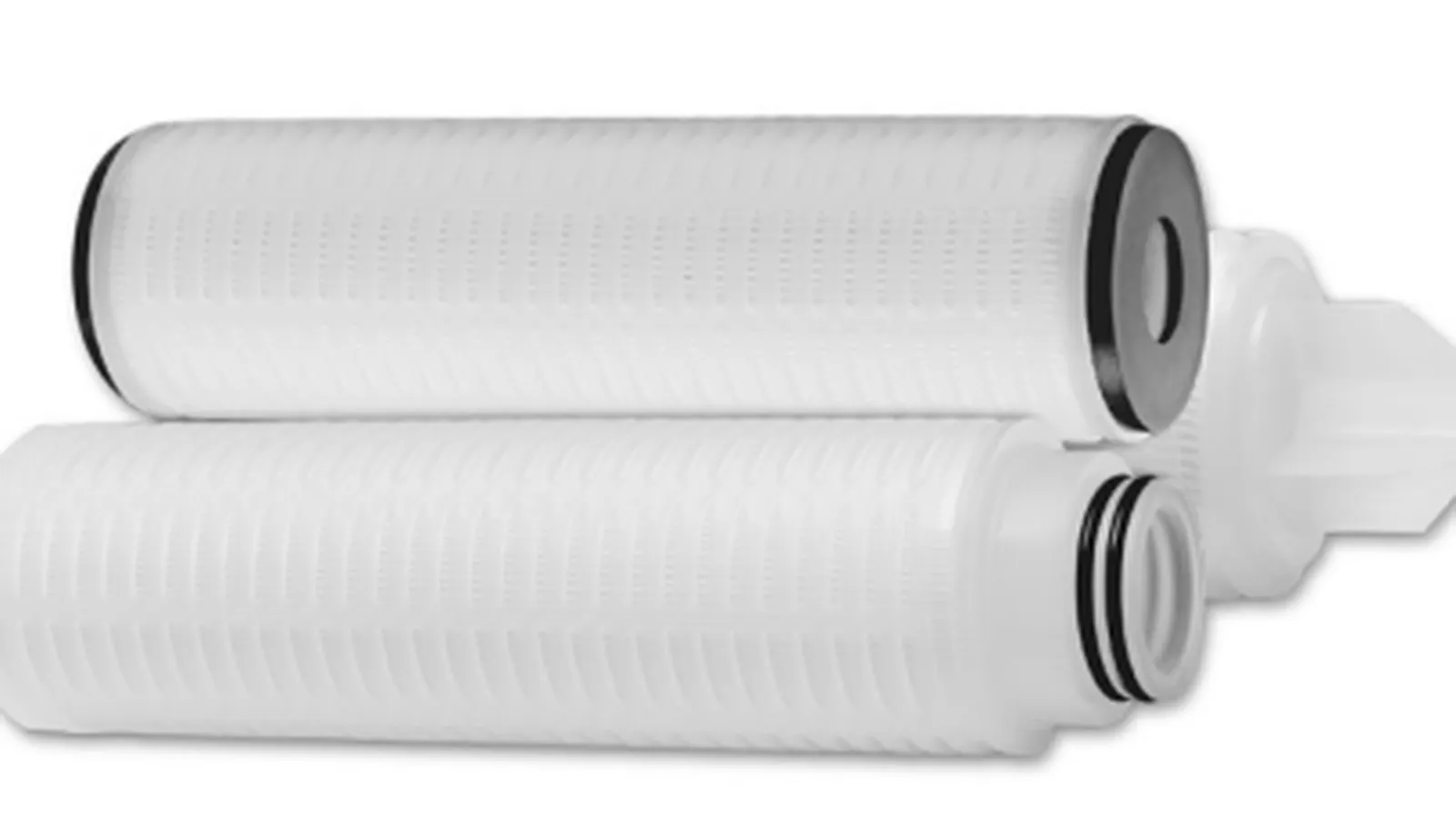
Table of Contents
A clogged depth filter shut down a paint line for six hours last quarter. The housing was full and the pump was starved. The crew replaced three pleated cartridges before anyone checked the inlet pressure. The scrap batch and the overtime crossed $18,000. All of it traced to one wrong media choice. Nobody asked whether the system needed a pleated filter or a depth filter. They just ordered what the last guy ordered.
Pleated filters fold media into pleats for more surface area. Depth filters trap dirt inside thick media. Each has a job, and the best systems often use both. Most buyers land here through a search like 'pleated filter water' or 'sediment filter cartridge'. Others arrive with a specific part in mind. Examples include a 'unicel pleated 5 micron sediment filter'. Some search for a 'kind water systems kind water sediment filter replacement'. Many just want a 'sediment filter replacement' for their housing. A few need a 'well sediment filter replacement' for a farm or cabin. Some look up 'string wound water filter' options first.
This guide compares the three main constructions. It explains micron ratings, dirt holding, and pressure drop. It ends with a simple way to pick. Keep reading for more!
Key Facts at a Glance
- Depth filtration — traps particles inside the media thickness. It holds more dirt per volume.
- Surface filtration — catches particles on the media face. It removes more precisely.
- Three constructions — pleated, melt blown, and string wound cover most industrial duty.
- Dirt holding — depth media typically holds two to three times more dirt than pleated media of the same size.
- Pressure drop — pleated media typically runs lower at the same micron rating.
- Replacement cost — element price, change labor, and disposal decide the yearly total.
What Is Depth Filtration
Depth filtration traps particles inside the media, not on it. The fluid must twist through the full thickness of the material. Dirt gets captured by the tortuous path. This is why a depth filter keeps working as it loads. The captured particles become part of the filter itself.
Media choice drives performance. Melt blown polypropylene builds a graded pore structure. The fibers are coarse on the outside and fine on the inside. String wound media wraps yarn around a core at controlled tension. Both designs spread the dirt load through the depth. That spread is the whole point of depth filtration.
Depth ratings are usually nominal. A nominal 10 micron depth filter removes most particles above 10 micron. There is no hard efficiency guarantee. The removal rate changes as the dirt cake builds. Some listings say 'nominal depth pleated filter cartridges' when the media is pleated depth media. Others just say 'melt blown filters'. Always confirm the test method before you compare two products.
Depth filters shine where the dirt load is high. They also tolerate upset conditions. A sudden slug of dirt will not blind them as fast as a surface filter. That is why they dominate water pre-filtration and RO protection. A melt blown filter in front of a membrane is a standard layout.
How Surface Filtration Works
Surface filtration works like a sieve. Particles larger than the pore stop at the face of the media. Smaller particles pass through. The captured dirt builds a cake on the surface. A pleated filter is the classic surface design.
The big advantage is surface area. Pleats multiply the media area inside a fixed housing. A 10 inch pleated cartridge typically packs 5 to 8 square feet of media. More area means lower face velocity. Lower velocity means the cake builds slower. That extends service life at the same rating.
Surface filters also rate more precisely. A glass fiber pleated element is tested per ISO 16889. It earns a beta ratio such as βx(c)=200 or βx(c)=1000. That is a verifiable efficiency number, typical for hydraulic duty. Depth filters rarely carry such a claim. The test standard is what makes the number honest.
The weakness is blinding. Once the surface pores plug, the element stops passing flow. Pressure drop climbs fast. A pleated filter exposed to heavy silt can die in days. This is why pleated and depth filters are paired in real plants. They are not rivals. They are a team.
Pleated vs Depth Construction Compared
The choice is not good versus bad. It is a trade between precision and dirt volume. Pleated media wins on efficiency and pressure drop. Depth media wins on dirt holding and cost per gram of dirt removed. Systems that need both run them in series. Pleated filter cartridges dominate hydraulic, compressor, and final filtration. Depth cartridges dominate pre-filtration and sediment duty.
1. Pleated construction
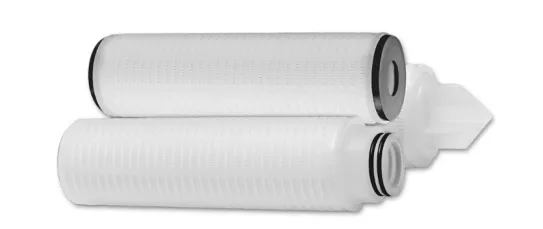
A pleated filter folds the media into accordion pleats around a core. The folds create a star shaped cross section. Media area multiplies without a bigger housing. Pleated cartridges are the default for precision work. They also suit a pleated sediment filter in water service where the load is moderate.
2. Melt blown construction
A melt blown filter is spun from polypropylene fibers. The fibers are blown onto a core in layers. Pore size tightens from outside to inside. That gradient captures coarse dirt first and fine dirt last. The melt blown filter cartridge is cheap to produce. It also holds a lot of dirt for the money.
3. String wound construction
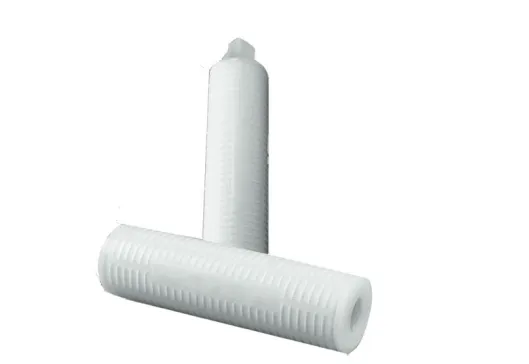
A string wound filter cartridge wraps yarn around a perforated core. Winding tension controls the density gradient. Tighter wraps near the core give finer filtration. Looser wraps outside hold the coarse load. String wound filters are the classic depth design. They remain popular for sediment and coolant duty.
| Feature | Pleated | Melt blown | String wound |
|---|---|---|---|
| Surface area | High (pleats) | Medium | Low |
| Dirt holding | Good | High | High |
| Removal rating | Absolute or beta rated | Nominal | Nominal |
| Pressure drop | Low | Medium | Medium |
| Best duty | Hydraulic, air, final | Water pre-filtration | Sediment, coolant |
| Typical life | Long at fine rating | Long under heavy load | Long under heavy load |
The table shows the pattern. Pleated media gives precision with low pressure drop. Depth media gives volume with a looser rating. Pleated filter manufacturers quote beta ratios and absolute ratings. Depth producers quote nominal ratings and dirt capacity. Both are honest numbers, but they answer different questions.
Many plants run a depth cartridge first and a pleated cartridge second. The depth stage grabs the bulk of the dirt cheaply. The pleated stage protects the equipment precisely. This two-stage layout usually cuts yearly filter spend. It also protects fine elements from blinding.
Melt-Blown vs String-Wound Media
Depth buyers still face a second choice. Melt blown or string wound? Both trap dirt in the media thickness. Both are cheap. The differences show up in chemistry, consistency, and price.
1. Melt blown advantages
A melt blown filter is made from polypropylene. The material resists water and most chemicals. Fiber lay is more consistent than yarn winding. Melt blown filter cartridges hold steady ratings batch to batch. A melt blown polypropylene filter cartridge is the standard pick for RO pre-filtration. The PP melt blown filter cartridge shares housing dimensions with string wound designs.
2. String wound advantages
String wound water filter cartridges are built from wound yarn. Cotton yarn adds absorbency and is food grade. Polypropylene yarn resists chemicals. Winding is slower than blowing, so cost sits a little higher. Yet string wound media handles viscous fluids well. Many plants keep both constructions in stock.
The melt blown polypropylene filter market has grown fast. American melt blown polypropylene producers set the quality baseline. Their graded fibers dominate pre-filtration. String wound remains strong where price per cartridge matters most. For heavy sediment, either construction works. Pick by media chemistry and supplier consistency.
A common upgrade path is pleated depth. Newer designs pleat a depth media web. This raises surface area without losing depth capture. String wound water filter performance is the benchmark these designs chase. Melt blown filter cartridges stay the value option.
Micron Ratings & Efficiency
A micron is one millionth of a meter. A human hair is about 70 to 100 micron thick. Particles that damage hydraulic pumps sit in the 3 to 15 micron range. Understanding the rating system matters more than the number itself.
1. Nominal ratings
Nominal means most particles above the stated size are removed. There is no strict efficiency floor. A nominal 5 micron depth cartridge may pass a meaningful share of 5 micron particles. Nominal numbers are typical for melt blown and string wound media. They suit pre-filtration, where a few missed particles do not matter.
2. Absolute and beta ratings
Absolute means the largest pore is capped at the stated size. Beta ratio means the removal efficiency is tested. ISO 16889 multi-pass testing is the standard for hydraulic elements. A pleated cartridge with βx(c)=200 removes 99.5% of particles at size x. That precision is why pleated cartridges protect final equipment.
3. Matching the rating to the job
Finer is not better. A 1 micron element on a 25 micron system raises cost and pressure drop. It also shortens element life. Match the rating to the equipment manual. For water, a pleated sediment filter at 5 to 20 micron is typical before RO. For hydraulic return lines, 10 to 25 micron is typical. Ask the supplier which standard the rating follows.
| Rating type | What it means | Typical media |
|---|---|---|
| Nominal | Removes most particles above the size | Melt blown, string wound |
| Absolute | Largest pore capped at the size | Pleated membrane |
| Beta rated | Tested removal efficiency per ISO 16889 | Pleated glass fiber |
The rating only means something with the test method. Two '5 micron' cartridges can differ by a lot. One may be nominal depth media. The other may be absolute rated pleated media. Always confirm the standard on the data sheet. This one habit prevents most wrong orders.
Dirt Holding Capacity
Dirt holding capacity is the total weight of dirt a cartridge can capture before change-out. It is measured in grams of dirt. It decides how often you change elements. Change frequency decides yearly cost. So dirt holding is an economic number, not just a technical one.
Depth media wins this metric. The full thickness stores particles. A depth cartridge typically holds two to three times the dirt of a pleated cartridge in the same housing. That is why high-sediment water lines run depth first. The depth stage catches the mass. The pleated stage cleans the remainder.
Pleated media holds less total dirt but lasts longer at fine ratings. The reason is the surface area. A pleated cartridge at 5 micron can outlive a depth cartridge at 5 micron, typical in clean service. The cake builds slower on the larger area. When the load is heavy, depth wins. When the load is light, pleats win.
Capacity data is rarely independent. Manufacturers test per their own methods. Ask for the test dust and the terminal pressure drop. A capacity number without a test method is a marketing figure. Compare like for like. Otherwise the numbers will mislead you.
Pressure Drop & Flow
Pressure drop is the resistance a cartridge adds to the flow. It is measured across the element in psi or bar. Every filter trades removal for resistance. The art is balancing the two for your flow rate.
1. Clean pressure drop
A new cartridge has a clean pressure drop. Pleated media typically starts lower because the area is large. Depth media starts higher because the path is tortuous. Lower clean drop means less pump energy and more margin. Clean pressure drop numbers are listed on every data sheet.
2. Loading and terminal drop
Pressure drop climbs as dirt loads. The curve is flat at first, then steep at the end. The terminal drop is the limit before change-out. Typical limits are 10 to 15 psi for water cartridges. Hydraulic elements change at the indicator, often 25 to 40 psi above clean. Running past the limit collapses the element.
3. Flow rate mistakes
Doubling flow roughly quadruples pressure drop in turbulent duty. A cartridge sized for one flow cannot serve double. Oversized housings waste money. Undersized ones starve the system. Check the flow rating against the pump curve. This is the most common engineering error in filtration.
Depth media behaves differently under load. The dirt cake spreads through the thickness. Pressure drop rises slowly at first. Then it climbs sharply as the core plugs. Pleated media plugs the face and rises sooner. Neither is better. They just signal differently. Use the gauge, not the calendar.
Choosing by Application
Start with the fluid, then the dirt load, then the rating. The construction follows from those three. These are the common patterns across industries.
1. Water treatment
Water lines run depth media first. A melt blown filter cartridge takes the silt load. A pleated sediment filter polishes after it. For drinking water, use food grade media. For RO protection, a 5 micron depth cartridge is typical before the membrane. See our liquid filter cartridge range for sediment and carbon options.
2. Hydraulic systems
Hydraulics need precision, so pleated glass fiber rules. Ratings of 3 to 25 micron are typical by circuit. Return line elements see the most dirt. Pressure line elements protect valves and pumps. Beta ratios per ISO 16889 are the buying language here. Our hydraulic filter cartridge range covers the common families.
3. Air compressors and intake
Compressor intake filters are pleated for low drop. Pleated air filters also guard engines and HVAC units. The pleats trade a little pressure drop for long element life. Oil separator elements use coalescing media, a different job entirely. Our compressor element range separates the three stages.
4. Dust collection
Pulse jet collectors use pleated cartridges. A dust collector pleated filter packs huge area into a short tube. Pleated baghouse filters cut pressure drop and extend cleaning cycles. Cartridge collectors beat bags on footprint. Our dust collector cartridges are built for pulse cleaning.
5. Bags and specialty
Some duty suits a bag, not a cartridge. Pleated filter bags add surface area to the bag format. Pleated bag filters change as fast as bags but filter like cartridges. Pleated bags also cut disposal volume. Our filter bag range covers felt and pleated options. In food and pharma, media chemistry matters more than construction. Confirm FDA compliance for contact duty.
Pleated Air Filters & Dust Duty
Air filtration deserves its own section. The physics is the same, but the language differs. Buyers ask different questions. Many search 'what is a pleated air filter' before they buy. The answer shapes every intake decision.
A pleated air filter folds a nonwoven media into accordion pleats. The media is often polyester or cellulose with a resin binder. Pleats multiply area inside the frame. More area means lower face velocity and less resistance. Pleat count and depth decide the performance class.
The old debate is pleated vs non pleated air filters. Non pleated air filter designs use a flat pad of media. They cost less and hold less. They also blind faster under dust load. Pleated air filters cost a little more and last several times longer, typical in intake duty. Over a year, the pleated option usually wins on total cost.
The same logic runs through dust collection. Pleated cartridges replace bags in many collectors. A dust collector pleated filter element packs more media per tube. Cleaning pulses shake the cake loose. Pleated baghouse filters follow the same principle at a larger scale. For HVAC and engine intake, the pleated choice is now the default. See our dust collector range for pulse jet designs.
Replacement Cost & Change Intervals
The element price is only part of the cost. Change labor, disposal, and downtime add up. A cheap depth cartridge changed weekly can cost more than a better pleated cartridge changed monthly. Work out the yearly total, not the unit price.
Replacement cost follows typical patterns. A string wound filter cartridge is usually the cheapest per unit. A melt blown filter sits slightly higher. Pleated cartridges cost the most per unit but last longest in clean service. Interchange elements undercut original brands by a typical 30 to 50%. That spread is where buyers save real money.
Change intervals depend on duty and load. Water cartridges change on differential pressure or a fixed cycle. Typical cycles run one to six months in sediment service. Hydraulic return elements run 500 to 1,000 operating hours, typical. Air filter elements follow the restriction gauge or a seasonal schedule. The gauge beats the calendar every time.
A two stage layout cuts total cost. The depth stage extends the pleated stage life. The pleated stage protects the equipment. The pair usually costs less per year than one fine filter alone. Run the numbers before you switch. Volume buyers should ask about MOQ and stock lead times. See the full PLEATPURE range for factory direct pricing.
Common Mistakes Buyers Make
- Buying by brand instead of dimension — measure OD, ID, length, and seal. The brand stamp is not a spec.
- Going finer than specified — finer raises pressure drop and shortens life. Match the manual.
- Mixing media classes — a cellulose swap for glass fiber changes the whole system cleanliness.
- Ignoring the seal — a cracked O-ring bypasses the element completely.
- Skipping the sample order — one cartridge and one hour beat a thousand wrong units.
- Chasing the lowest unit price — yearly cost is the real number.
Each mistake shows up as a surprise in the field. A failed pump, a scored cylinder, a rejected batch. All are avoidable with a spec sheet and a ruler. If you are unsure which construction fits, send us your part number and duty. We will quote the media and rating, not just a price.
The Bottom Line
Pleated and depth filters are partners, not rivals. Depth media captures the mass of the dirt. Pleated media protects the equipment precisely. The right system uses both in series. Match the construction to the load, the rating to the manual, and the media to the fluid.
Depth wins on dirt volume and unit price. Pleats win on precision and pressure drop. Melt blown and string wound cover the depth side. Pleated cartridges cover the final side. Buy by dimension, media, and rating. Confirm the test standard. Sample before you commit to volume.
PLEATPURE manufactures pleated, melt blown, and string wound filter cartridges factory direct. We verify interchange fit against original dimensions. Every element is checked for dimension, seal, and media integrity before shipping. Browse the full range or send your part number for a cross reference quote.
NEXT STEP
Ready to Switch to Replacement Filter Cartridges?
Send us your element dimensions or part numbers — our team responds within 24 hours with pricing and lead time.
Written by
Ray ChanFiltration Buyer's Guide Author · Industrial Filter Cartridge Specialist. Ray helps global importers, distributors and maintenance teams source factory-direct replacement filter cartridges.