
Activated Carbon Filter Guide 2026: Adsorption, Media and Replacement
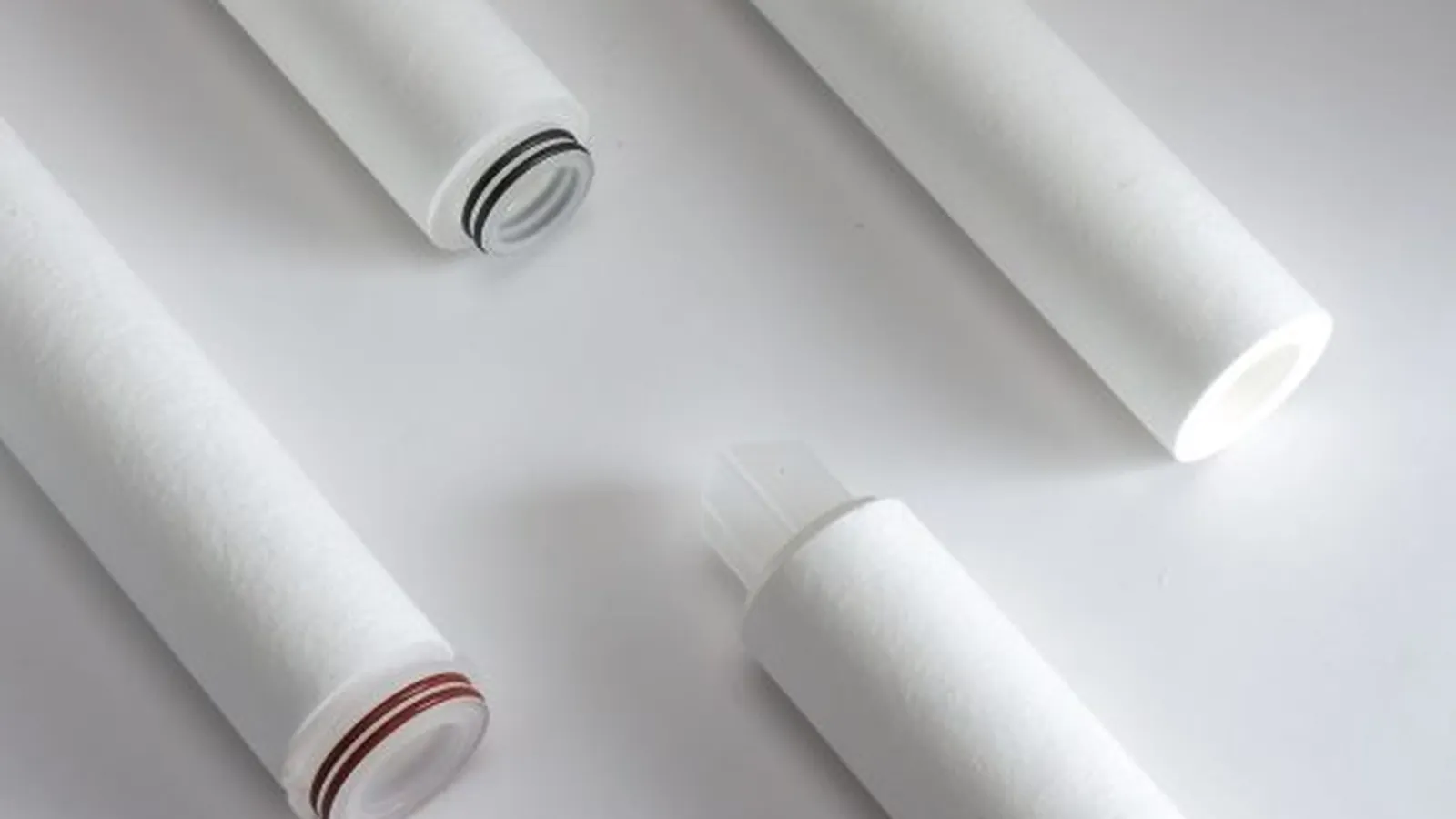
Table of Contents
A food plant lost a reverse osmosis membrane three weeks after a routine carbon change. The replacement membrane alone cost about $1,800. The technician found the real cause in the pre-filter housing. An exhausted activated carbon cartridge had been adsorbing almost nothing for weeks. Chlorine passed straight through to the membrane and did the damage in under 30 days. A $15 carbon filter replacement could have prevented the whole bill.
An activated carbon water filter is the cheapest insurance in any water line. It removes chlorine, taste, odor and many volatile organics that sediment media cannot touch. A water filter with activated carbon is the most common point-of-use upgrade in homes and plants. Whether you search "activated carbon water filter" or "carbon filter cartridge", the question underneath is the same. Which carbon media do I need, and when must I change it? Buyers hunting for replacement carbon filters are usually one bad experience away from switching suppliers. This guide covers adsorption, GAC vs carbon block media, iodine number, replacement intervals, and sediment pre-filter pairing. Keep reading for more!
Key Facts at a Glance
The facts below give you the short version before the details.
- Definition — An activated carbon filter is a cartridge or bed that adsorbs chlorine, taste, odor and volatile organics from water.
- Media forms — Granular activated carbon (GAC) uses loose grains; carbon block compresses carbon into a solid cylinder.
- Performance measure — Iodine number indicates micropore capacity; 600 to 1,000 mg/g is a common working range (typical).
- Strength — Carbon targets dissolved chemicals, not just particles. Sediment media cannot do this.
- Replacement — Change on schedule or when chlorine taste returns; typical life is 3 to 12 months depending on water use (typical).
- Pairing — Run a sediment pre-filter upstream so dirt never coats the carbon surface.
What Is an Activated Carbon Filter
An activated carbon water filter is the working core of a taste, odor and chlorine removal system. It sits inside a filter housing or a whole-house vessel. Water flows through the carbon media under line pressure. The media adsorbs dissolved chemicals, so the water that exits is cleaner than what entered.
Activated carbon for water treatment starts as coconut shell, coal or wood. The raw material is heated without oxygen to create a porous structure. One gram of activated carbon can carry 500 to 1,500 square meters of internal surface (typical). That surface is where the chemistry happens. Think of a sponge the size of a coin with a field of football pitches folded inside.
You will hear several names for the same part. "Carbon filter", "carbon block cartridge" and "activated carbon filter cartridge" describe the same family. Water treatment buyers say "GAC filter" or "carbon filter cartridge". Air buyers use carbon media for odor control. The mechanics are the same: a defined cartridge with defined carbon capacity and a defined service life.
How Adsorption Works
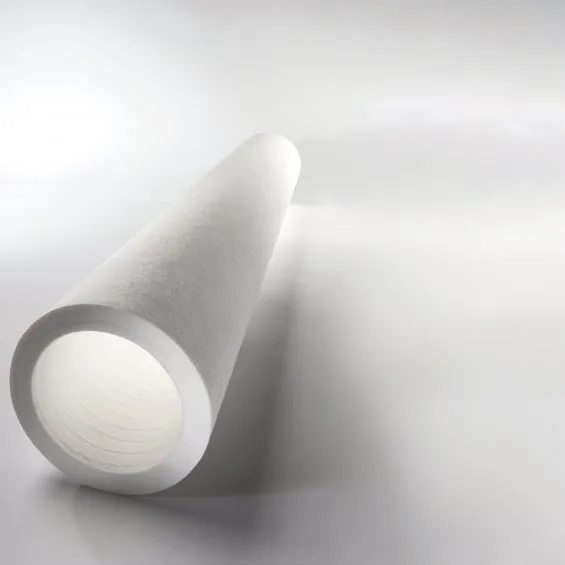
Adsorption is not filtration in the sieve sense. Particles are trapped by size in a normal filter. Adsorption binds dissolved molecules to the carbon surface. Contaminants stick through weak electrical forces called van der Waals forces. Once stuck, they stay until the carbon is replaced.
Three factors control how much a carbon bed holds: surface area, contact time and contaminant concentration. More surface means more binding sites. Longer contact time means more molecules find a site. Higher concentration fills the sites faster. A cartridge that is too small for the flow gives too little contact time.
Chlorine removal is partly a chemical reaction, not only storage. Free chlorine reacts with the carbon surface and becomes chloride ions. That is why a carbon bed can appear to "remove" far more chlorine than its weight suggests. Taste and odor molecules, by contrast, are stored in the pores. When the pores fill, the cartridge stops working.
Capacity is quoted in weight, not in time. A typical carbon cartridge removes a set number of grams of contaminant before it saturates (typical). High chlorine levels burn through that capacity fast. That is why two identical cartridges can last very different times. The contaminant load decides the life, not the cartridge.
Pressure drop matters too. A carbon block that is too fine for the flow starves the system. A GAC bed that is too coarse lets water channel through gaps. The right cartridge balances adsorption against flow for your pressure and flow rate. A whole-house activated carbon filtration system depends on this same balance.
GAC vs Carbon Block Media
The media form decides how the cartridge behaves in service. Two forms cover almost every water application. Activated carbon for filter cartridges comes in two forms: GAC and block.
1. Granular activated carbon (GAC)
A granular activated carbon filter is a bed of loose carbon grains. Water flows between the grains, so pressure drop stays low. A granular activated carbon GAC filter handles high flow and high dirt loads. The trade-off is contact efficiency. Water can channel around the grains, and fine particles pass through.
Granular activated carbon water filter cartridges are common in whole-house systems. They hold a lot of carbon for the price. They tolerate sediment better than blocks. Most granular carbon beds need a separate sediment stage upstream. A granulated activated carbon water filter uses the same grains in a sealed cartridge.
2. Carbon block media
An activated carbon block water filter presses powdered carbon into a solid cylinder. The block filters particles down to 0.5 to 1 micron (typical) while it adsorbs. Contact time is long because every drop must thread through the block. Pressure drop is higher than GAC. Fine filtration and adsorption come in one cartridge.
Carbon blocks are the standard choice for reverse osmosis pre-treatment. They protect the membrane from chlorine, which destroys it quickly. They also trap the fine silt that a GAC bed lets through. The cost is a shorter life and a higher pressure drop.
3. Which media to choose
Choose GAC for high flow and low pressure drop. Choose a block when you need fine filtration plus adsorption in one stage. Many plants run a granular activated carbon water filter system first, then a carbon block for the final polish. A whole-house granular activated carbon water filtration system treats every tap at once. Granular activated carbon filter systems handle the highest flows in commercial plants. The table below compares the two forms.
| Feature | GAC media | Carbon block |
|---|---|---|
| Media form | Loose grains | Compressed powder |
| Filtration rating | None meaningful (typical) | 0.5 – 1 micron (typical) |
| Pressure drop | Low | Medium to high |
| Contact efficiency | Lower; channeling risk | High; every drop touches carbon |
| Best for | High flow, whole house | RO pre-treatment, final polish |
Chlorine, Taste and Odor Removal
The most common reason people buy carbon is chlorine removal. An activated carbon filter for chlorine removal is the standard answer in homes and plants. An activated carbon filter for tap water is the fastest fix for pool taste. An activated carbon filter for water is the standard replacement in most point-of-use housings.
1. Free chlorine
Free chlorine is what most municipal water carries. It keeps the pipe network free of bacteria. Activated carbon breaks it down quickly. A 10-inch carbon cartridge can remove free chlorine for months of normal use (typical). The reaction consumes the carbon surface slowly.
2. Chloramine
Chloramine is used by some utilities instead of chlorine. It lasts longer in the pipes, which is why they like it. Carbon removes chloramine far more slowly than free chlorine. It needs longer contact time or more carbon. Ask your supplier which one your water carries.
3. Taste and odor compounds
The classic complaints are a swimming-pool smell and a flat, chemical taste. Geosmin and MIB give water an earthy note in summer. Activated carbon adsorbs all of them. An activated carbon filters for tap water kit usually pairs carbon with a sediment stage.
Do not judge success by looks. Carbon removes things you cannot see. The only honest tests are a chlorine test kit and your nose. If the pool smell returns, the cartridge is exhausted. An activated carbon filter removes chlorine taste odor water impurities that sediment cannot.
Flow rate is the hidden variable in chlorine removal. Carbon needs contact time with the water. A cartridge rated for 0.5 gallons per minute cannot clean a line drawing 2 gallons per minute (typical). The water rushes through and the chlorine never touches the carbon. Match the cartridge flow rating to your real draw.
VOC Removal and Chemical Filtration
Volatile organic compounds are the second reason buyers pick carbon. VOCs include solvents, fuel components and disinfection by-products. Trihalomethanes form when chlorine meets natural organics. Chloroform is the most common one. Activated carbon adsorbs these molecules well.
Not all carbon is equal for VOC duty. Micropores trap small molecules like chloroform. Larger pores matter for bigger molecules. Coconut-shell carbon tends to have more micropores (typical). Coal-based carbon has a wider pore mix. Ask for the iodine number and the molasses number if VOCs are the target.
VOC capacity is finite and concentration-driven. A hot, contaminated feed exhausts a cartridge in weeks. A clean municipal feed can run for months. If you treat well water with pesticides or fuel smells, test the water first. Buy a cartridge sized for the real load, not the brochure.
Adsorption capacity for VOCs follows the same logic as chlorine. More carbon, more contact time, more removal. A 20-inch cartridge holds roughly twice the carbon of a 10-inch cartridge. Doubling the bed usually doubles the life for the same feed. Size the bed for the worst month, not the average.
Iodine Number and Carbon Quality
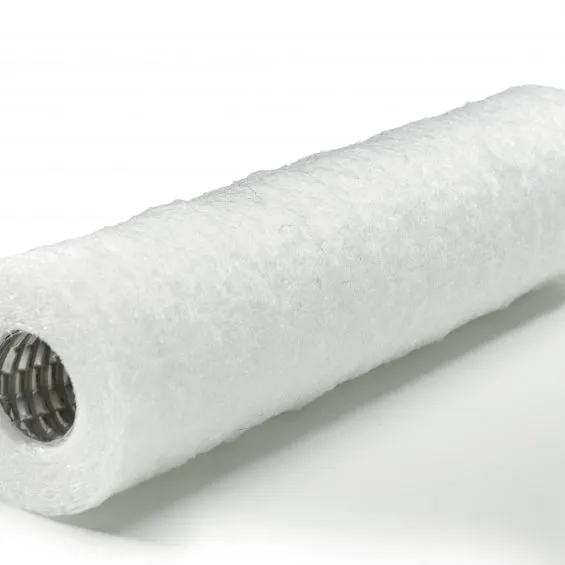
Iodine number is the spec most buyers quote. It measures how much iodine one gram of carbon adsorbs. The unit is milligrams per gram. It tracks the micropore volume that drives chlorine and small-molecule removal.
Typical water-grade carbon runs 600 to 1,000 mg/g (typical). Premium coconut-shell carbon often reaches 1,000 or higher (typical). A higher number usually means better small-molecule capacity. It does not guarantee better removal of big molecules or taste compounds.
1. What good looks like
For chlorine and taste duty, look for 800 or above on the data sheet (typical). For RO pre-treatment, the same grade works well. For VOC-heavy water, combine iodine number with a molasses or tannin number. No single number tells the whole story.
2. The honest test
Numbers on a sheet are only as good as the test behind them. ASTM D4607 is the common iodine test method. Ask whether the quoted value is a real test or an estimate. Then run your own chlorine test after install. Field results beat brochure numbers.
| Contaminant | Removal by carbon | Notes |
|---|---|---|
| Free chlorine | Yes, fast | Chemical reaction; consumes surface (typical) |
| Chloramine | Yes, slow | Needs longer contact time (typical) |
| Taste and odor | Yes | Geosmin, MIB, pool smell |
| VOCs | Yes | Chloroform, benzene, solvents |
| Heavy metals | Limited | Not the primary media; use specific media |
| Sediment | Block only | GAC lets particles pass (typical) |
Water Treatment Applications
Activated carbon filters for water show up in every scale of system. The media is the same. The cartridge size, flow and change interval change with the job. Activated carbon water filters dominate the point-of-use market.
1. Residential and point-of-use
A 10-inch under-sink carbon cartridge is the classic install. A countertop jug uses a small carbon block. An activated carbon water filter cartridge in the fridge line removes pool taste from ice. Whole-house activated carbon water filter systems use 20-inch GAC or block cartridges. Typical life is 3 to 6 months for point-of-use (typical).
Kitchen taps, fridge lines and ice makers share one rule. Change the carbon before the taste returns, not after. Chlorine returns the moment the bed is full.
2. Commercial
Coffee shops, restaurants and ice plants buy carbon by the case. A commercial activated carbon water filter keeps espresso machines taste-clean. Beverage plants need consistent water every shift. They run carbon plus a polishing filter and a UV stage. Change records matter in food service.
Chlorine and chloramine both attack coffee flavor. A carbon block with a 0.5 micron rating also stops fine silt that clouds a cup (typical). Many commercial operators change carbon on a monthly rota. The rota beats waiting for taste complaints. An activated carbon filter for water purification is the final polish stage before the membrane in many RO systems.
3. Industrial and process
An industrial activated carbon water filter protects boilers, membranes and product quality. Boiler feed water with chlorine attacks the system. Process water with taste defects ruins a batch. Pharmaceutical and food plants often use carbon blocks rated for contact duty.
An activated carbon filtration system at plant scale may be a vessel of several hundred kilograms of GAC. Those systems use backwashable beds instead of cartridges. Cartridges suit flows up to a point; vessels take over beyond it. If your flow is above 10 to 20 gallons per minute, talk to a filtration engineer (typical).
Carbon Filter Life and Replacement
A carbon filter replacement is due when the media stops working, not when it looks dirty. Carbon never looks used up. Black media still looks black after months of service. The only signals are taste, pressure and flow.
1. Typical service life
Point-of-use 10-inch cartridges typically run 3 to 6 months (typical). Whole-house systems run 6 to 12 months (typical). Commercial systems change on a calendar plus a chlorine test. The volume of water treated matters more than the calendar. A busy restaurant exhausts carbon in weeks; a holiday home runs for a year.
2. How to know it is spent
Chlorine taste returning is the clearest signal. A rising pressure drop across a block cartridge is the second. Falling flow from the tap is the third. Test monthly with a simple chlorine test kit. Log the result so the next change is not a guess.
An activated carbon filter replacement interval should be written on the housing. Tape the install date on the vessel. Set a reminder for the change month. Saturation is silent and sudden at the end. One month it works, the next it does not. The activated carbon filters water treatment plants install are almost always on a fixed schedule.
Pairing with a Sediment Pre-Filter
Carbon is an adsorber, not a particle trap. GAC lets sediment pass through entirely. A block cartridge catches particles but sacrifices capacity to do it. Dirt coats the carbon surface and blocks the pores. Every gram of dirt on the surface is a gram of carbon that stops adsorbing.
A sediment pre-filter upstream protects the carbon. A 5 micron pleated or melt-blown cartridge is the common choice (typical). The sediment stage catches rust, sand and scale. The carbon stage then does pure chemistry. The pair costs little and extends carbon life by months.
Sediment cartridges are cheap and carbon cartridges are not. Letting the cheap stage take the abuse is simple economics. A 5 micron sediment element costs a few dollars (typical). The carbon it protects costs several times more. The pair still costs less than one premature carbon change per quarter.
Reverse osmosis systems use this exact layout: sediment, then carbon, then the membrane. The carbon protects the membrane from chlorine. The sediment protects the carbon from silt. If you skip the sediment, the carbon plugs and the membrane starves. The cartridge filter activated carbon stage in our liquid range follows this design. An activated carbon filter water treatment train usually has a sediment stage first.
Buying Checklist
Before you place an order, run this checklist:
- Confirm the media form — GAC or block, and the carbon source.
- Check the iodine number — 800 or above for chlorine and taste duty (typical).
- Confirm the block micron rating — 0.5 to 5 micron typical for RO pre-treatment (typical).
- Ask about chloramine — if your utility uses it, you need extra carbon or contact time.
- Match dimensions — 10-inch and 20-inch cartridges dominate water duty; confirm OD, length and seal style.
- Check pressure drop at your flow — a too-fine block starves the system.
- Confirm certifications — NSF/ANSI 42 covers taste and odor claims (typical).
- Order one sample first — test flow, pressure drop and taste before volume.
A sample-first approach costs one cartridge and one hour of work. It prevents ordering a thousand units of a cartridge that does not fit your housing. Send us your housing model and water conditions. We will match the media, dimensions and rating. See our liquid filter cartridge range for carbon and sediment options.
A good supplier will ask about your chlorine level and daily water use. Those two numbers set the cartridge size and the change interval. If they only ask for the housing model, walk away. The housing is the easy part; the chemistry is the hard part.
Common Mistakes Buyers Make
- Buying by brand instead of by spec — the brand stamp is not the iodine number. Read the data sheet.
- Judging carbon by color — all carbon is black. Spent carbon looks identical to fresh.
- Skipping the sediment stage — dirt coats the carbon and kills it early.
- Stretching change intervals — saturated carbon passes chlorine straight through.
- Choosing GAC when you need a block — GAC lets fine particles pass into the membrane.
- Ignoring flow rate — too fast a flow means too little contact time.
- Mixing media sources — coal and coconut carbon behave differently in the same system.
Each of these mistakes shows up as the same surprise: chlorine taste returns, flow drops, or a membrane dies young. All are avoidable with a data sheet, a test kit and a change log.
The Bottom Line
An activated carbon water filter is a small, replaceable part with an outsized job: protect taste, odor and downstream equipment from dissolved chemicals. Choose GAC for flow, a block for fine filtration plus adsorption. Check the iodine number, match the dimensions, and protect the carbon with a sediment stage. Change on schedule, not on looks. Carbon never looks tired until it is.
PLEATPURE manufactures liquid filter cartridges factory-direct, including activated carbon GAC and carbon block elements matched to standard water housings. Every element is checked for dimension, seal integrity and media integrity before it ships. Browse the liquid filter cartridge range or send us your housing details for a carbon cartridge recommendation.
NEXT STEP
Ready to Switch to Replacement Filter Cartridges?
Send us your element dimensions or part numbers — our team responds within 24 hours with pricing and lead time.
Written by
Ray ChanFiltration Buyer's Guide Author · Industrial Filter Cartridge Specialist. Ray helps global importers, distributors and maintenance teams source factory-direct replacement filter cartridges.